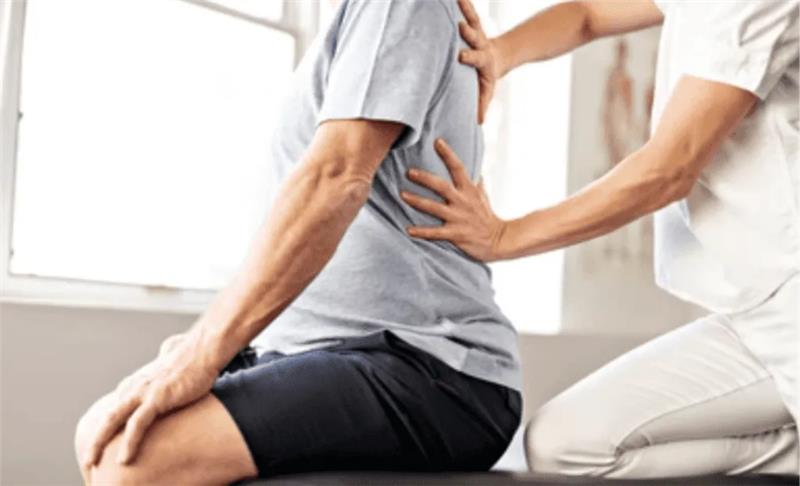
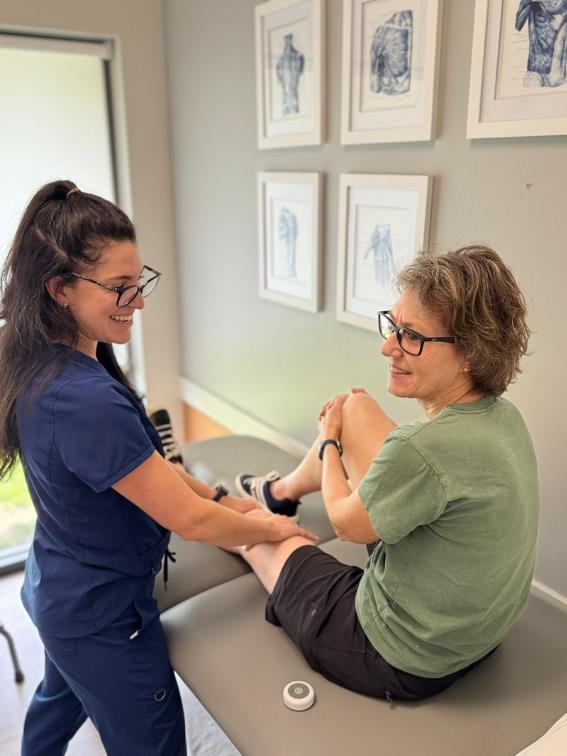


It can feel confusing and frustrating to leave a physical therapy session in more pain than when you arrived. Many people expect therapy to reduce pain right away. Instead, they find themselves asking, “Why am I in so much pain after physical therapy?”
This reaction is common. In many cases, pain after physical therapy is part of the recovery process. Still, not all pain should be ignored. Knowing what is normal and what is not can help you recover with more confidence.
Is Pain After Physical Therapy Normal?
Yes, pain after physical therapy is often normal, especially at the start of treatment. Physical therapy works by stressing the body in safe ways. Muscles, joints, and connective tissues that have not moved well for a long time are being asked to work again.
This stress can lead to soreness, stiffness, and mild swelling. These signs often mean your body is adapting. The key is that the pain should ease within a few days and improve as therapy continues.
Patients who want local care may also find it helpful to learn more about Physical Therapists In Delaware and how regional providers approach treatment.
Common Reasons You Feel So Much Pain After Physical Therapy
Your Muscles Are Not Used to the Work
Physical therapy often activates weak or unused muscles. When muscles work harder than usual, small tears form in the muscle fibers. This is normal and part of how muscles grow stronger.
This type of pain after physical therapy usually:
- Feels sore or tight
- Starts the day after therapy
- Improves within two or three days
Delayed Onset Muscle Soreness (DOMS)
DOMS is a common cause of more pain after physical therapy. It often appears one to three days after a session. DOMS happens when muscles perform movements they are not used to, such as slow strengthening or controlled stretching.
DOMS pain:
- Feels tender when you move or touch the area
- Improves with light activity
- Lessens as your body adapts to therapy
Stiff or Injured Tissues Are Being Treated
If you have scar tissue, joint stiffness, or long-term pain, therapy may focus on areas that have been guarded for a long time. Manual therapy and mobility work can irritate these tissues before they improve.
This often leads people to ask, “Why am I in so much pain after physical therapy when I thought I was getting better?” In many cases, this discomfort means the treatment is addressing the root problem.
Your Body Is Inflamed
Inflammation is part of healing. Physical therapy can increase blood flow and fluid in the treated area. This can raise pressure in the tissues and cause pain after physical therapy.
Mild swelling and warmth are common. These signs should fade as your body recovers between sessions.
The Treatment May Be Too Much Right Now
Sometimes, more pain after physical therapy happens because the body is not ready for a certain level of activity. This does not mean therapy is wrong. It means the plan needs adjustment.
Pain that may signal a problem includes:
- Sharp pain
- Pain that keeps getting worse
- Pain that does not improve after several days
Your therapist can change exercises, reduce load, or slow progress when needed.
If you are unsure about the type of care you need, reading What Physical Therapy Specialists Do and Why You Might Need One can help clarify when advanced expertise is useful.
How Long Should Pain After Physical Therapy Last?
For most people, pain lasts 24 to 72 hours. Over time, you should notice:
- Less soreness after sessions
- Faster recovery
- Better movement even if some discomfort remains
If weeks pass and you still wonder why you are in so much pain after physical therapy, it may be time to review your treatment plan.

What You Can Do to Ease Pain After Physical Therapy
Use Ice or Heat
Ice can help with swelling and sharp pain. Heat can help tight muscles relax. Your therapist can guide you on which to use and when.
Keep Moving
Light movement improves blood flow and reduces stiffness. Short walks or gentle stretching often help.
Drink Water and Eat Well
Muscles repair better when your body is well hydrated and fueled.
Talk to Your Therapist
Clear feedback matters. If something hurts more than expected, say so. Therapy works best when it fits your body and your goals.
When Pain After Physical Therapy Is Not Normal
Contact your therapist if you have:
- Severe pain that limits daily tasks
- Pain that spreads or causes numbness
- Pain that disrupts sleep for several nights
- No progress over several weeks
Physical therapy should challenge you, but it should also move you toward better function.
For a broader overview of care options, A Complete Guide: Physical Therapy Types, Techniques & Services in Delaware outlines common treatments and services available across the state.
A Steady Approach to Recovery
Careful pacing and clear communication reduce setbacks. At Performance Physical Therapy, therapists focus on safe progress, clear guidance, and plans that match each patient’s needs. Treatment aims to restore movement while respecting the body’s limits.
If pain after physical therapy feels confusing or overwhelming, the right approach can make recovery more manageable.
Frequently Asked Questions
Why am I in so much pain after physical therapy?
Pain often occurs because muscles and joints are adapting to new demands. Mild to moderate soreness is common, especially early in treatment.
Is pain after physical therapy a bad sign?
Not always. Short-term soreness can be part of progress. Ongoing or severe pain should be discussed with your therapist.
Why do I have more pain after physical therapy than before?
Your body may be inflamed or working muscles that were inactive. This does not always mean damage, but it may mean adjustments are needed.
How can I tell normal soreness from injury?
Normal soreness feels dull and improves in a few days. Injury pain is often sharp, sudden, or worsening.
Should I stop therapy if I feel pain?
Do not stop on your own. Share your symptoms with your therapist so they can adjust your care safely.