


While we are in the midst of summer heat, water activities such as kayaking or canoeing tend to be a popular option to experience the outdoors while beating some of the heat. Many of us (including myself) may be unaware of the impact paddling can place on our bodies when beginning the sport. I remember waking up my first day after kayaking to intense shoulder and back soreness and knew that I needed to educate others about the importance of proper paddling form to prevent injury. Whether you are an experienced kayaker or just beginning, grab your life jacket, and let’s get started on navigating through safe and efficient paddling techniques.
1. Proper Warm Up:
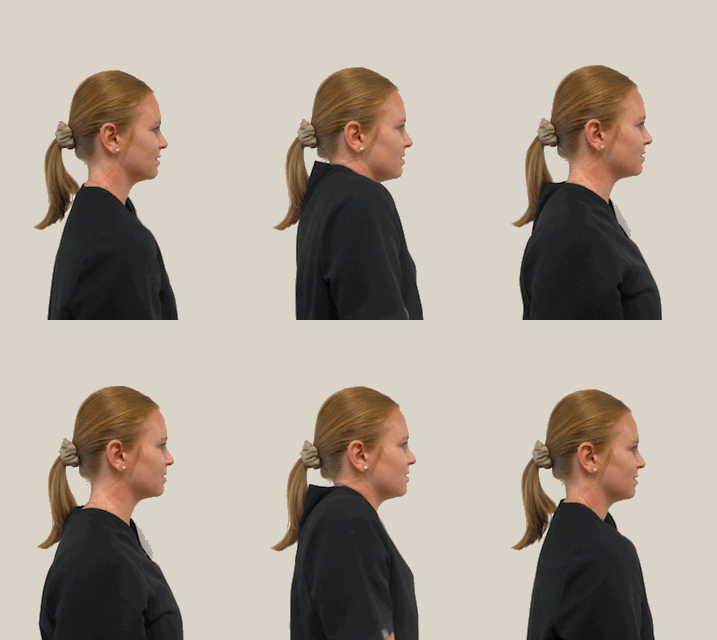
- A good warmup increases blood flow and prepares the body for the upcoming exercise. A proper and thorough warm up to the shoulders and neck is highly encouraged to reduce the risk of injury. A quick and easy dynamic stretch to address this area is performing a set of 30 controlled shoulder circles with the arms at your side both forwards and backwards to improve range of motion and decreases the likelihood of experiencing a strain or sprain to the area.
2. Neck Position:
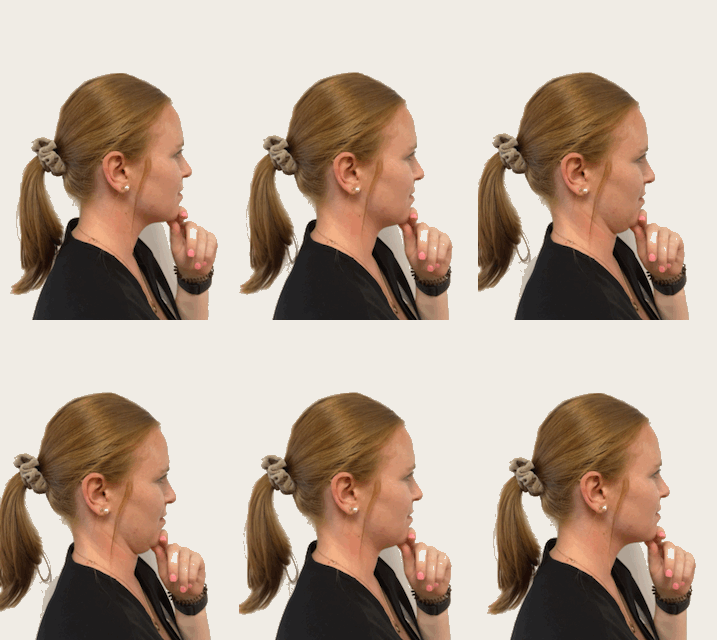
- When paddling, we have a tendency to rest our neck in a forward position. This puts the structures in the back of our neck in a vulnerable position for injury. A group of small muscles called the deep neck flexors sit at the base of our skull and play an important role in providing stability to the neck. To activate these muscle, think about drawing the chin straight back to the spine and retracting the neck. The movement is similar to making a “double chin.” Hold this position for 5 seconds and repeat 10 times. By improving the endurance of these muscles, the neck is able to be held in a more stable, neutral position which will reduce the likelihood of experiencing an injury.
3. Shoulder Position:
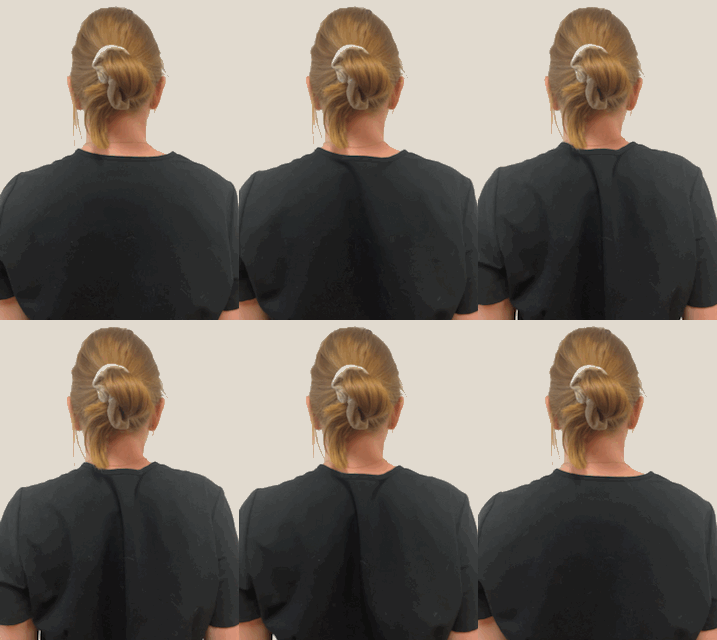
- Moving down the body, we next come to the shoulders. Similar to the neck, when we are performing a task in front of us, we tend to round our shoulders forward. This posture can disrupt the normal function of muscles in our back and shoulders and lead to injury. To decrease the muscular imbalances and correct this posture, try squeezing your shoulder blades together, as if you were trying to hold a pencil between them. The movement should be back and down to prevent the shoulders from moving closer to your ears. Hold this position for 5 seconds and repeat 10 times. Correcting this position can prevent pain from occurring further down the road.
4. Hand Position:
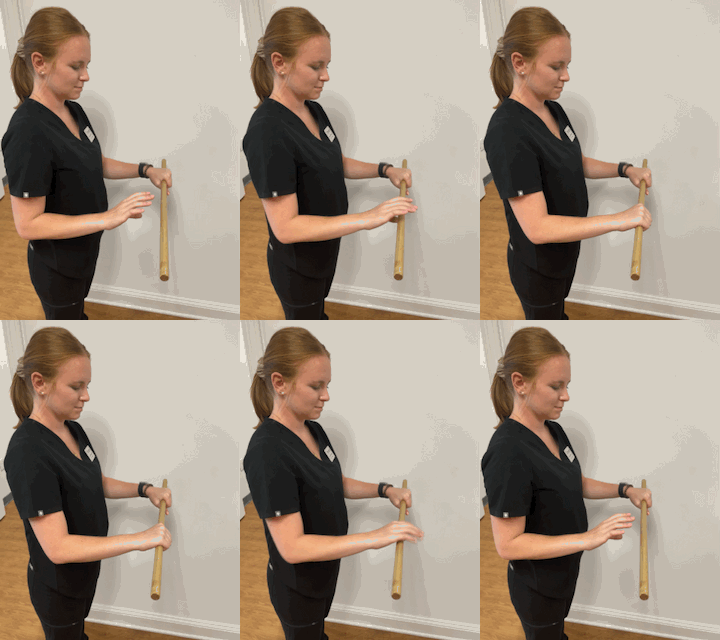
- Lastly, we reach our hands. When gripping the paddle, be sure to prevent grasping too tightly which can put increased pressure on the structures of the lower arms. Using excessive energy in our grip will also lead to increased fatigue, making our bodies more susceptible to overuse injuries. When holding the paddle keep the fingers loose and prevent excessive flexion or extension of the wrists. By conserving energy and protecting our joints, we are setting our bodies up for success when kayaking or canoeing.
Now that you have the knowledge and tips to keep yourself safe, be sure to implement these techniques to prevent injury. I would rather see you out on the water than in my office, but if you have any questions about paddling or other activities, feel free to reach out to me at agordon@pptandfitness.com.