Here’s a fact about back pain that may bring you some comfort: it’s one of the most common musculoskeletal complaints in the world. Around 80% of people will have back pain at least once. So, if you’re suffering now, you probably aren’t the only one!
Of course, that thought does little to help if your back pain keeps you from performing day-to-day activities — as it often does. Back pain is often accompanied by mobility restrictions that make walking, rising from sitting, or bending over difficult. And if left untreated, it can sometimes lead to long-term pain and dysfunction.
At Performance Physical Therapy, we know how debilitating back pain can be. Our team of dedicated physical therapists will help you understand the cause or causes of your back pain and work with you to develop a personalized treatment plan that will let you get back to the activities you love to do.
Call our clinic today to set up your initial consultation!
What Causes Back Pain?
One of the reasons that back pain is so common is that it’s associated with several different injuries, underlying conditions, or lifestyle factors. That said, most back pain is non-specific, meaning it’s not caused by a specific disease or specific structural problem, but caused by mechanical issues. Mechanical issues are difficult to pinpoint and may include multiple tissues in and around the spinal joints.
The first step in treating your back pain is understanding what’s contributing to it. Our therapists will perform a comprehensive evaluation to help us learn as much as possible about your experience with back pain, including screening for any mobility limitations or weakness you’re struggling with.
Here are some of the more common sources of back pain that we see at our clinic:
Why Physical Therapy at Performance Physical Therapy Is Your Back Pain Solution
While back pain often resolves on its own within 1-3 months, physical therapy is an excellent choice for people with particularly intense pain or extremely restrictive mobility. It’s also useful for people with chronic back pain — defined as pain that lingers past that three-month mark.
We customize all our back pain treatment plans according to your specific needs: the location and severity of your back pain, any mobility restrictions, your ability level, and overall goals. We’ll work to address the underlying issues causing your pain rather than simply masking the symptoms.
How will we do this? Through a blend of the following techniques:
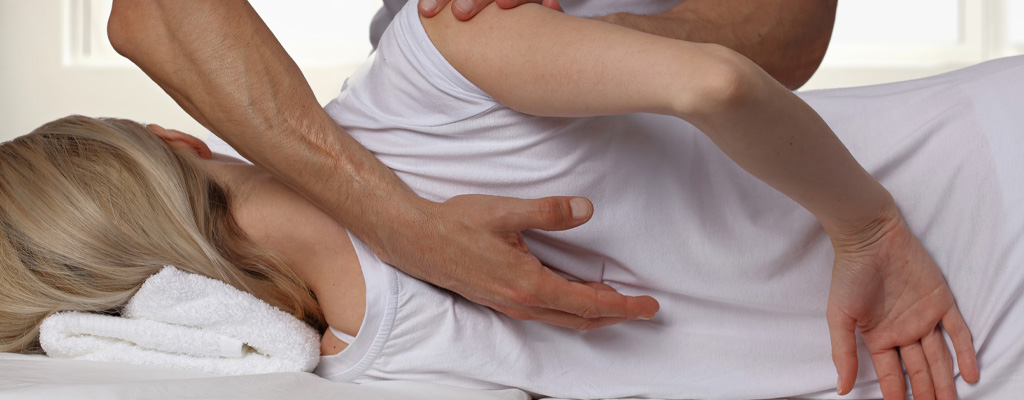
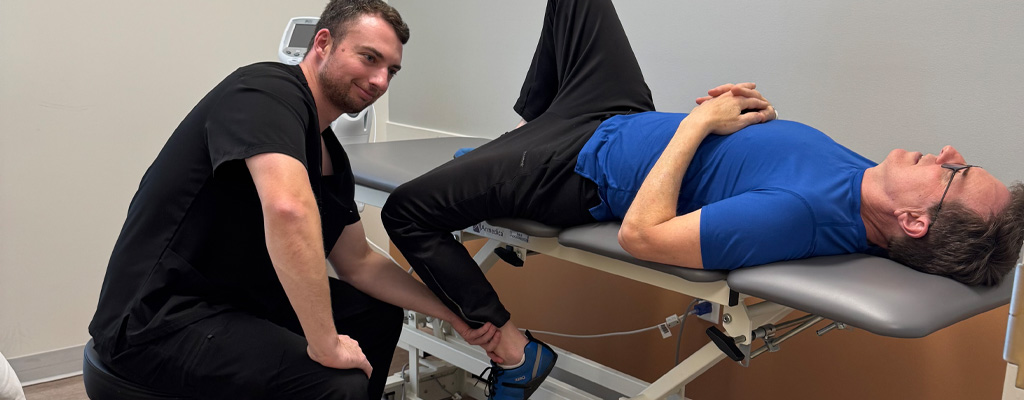
- Manual therapy helps manage pain, promote blood circulation, and improve mobility.
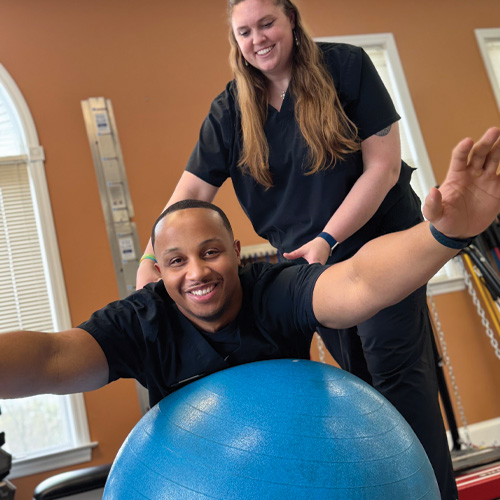
- A personalized therapeutic exercise plan improves the strength, flexibility, and endurance of your back and core muscles. Muscle weakness significantly contributes to lower back pain, so exercise is a must.
- Specialized training, such as proper techniques and activities that simulate functional movements you’ll need to perform (i.e., squats, lunges, lifting, etc.).
- Prevention strategies help reduce future back pain incidents. These strategies might include postural corrections or suggestions for at-home exercises, such as a walking program or regular strength and mobility practice.
Get Moving Again with Physical Therapy!
Back pain is more than just pain. It can severely restrict your mobility, leading to less exercise and movement, further contributing to pain and dysfunction. The Performance Physical Therapy team is here to help you break that cycle and find relief from back pain for good.
Call us today to schedule an appointment!
Your Success Is Our Priority!
Return to Performance Physical Therapy and Let’s Continue Your Journey to Wellness Together. Schedule Your Appointment Now!
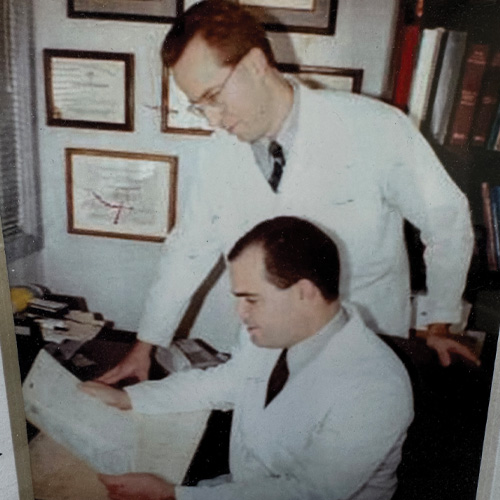
We’re proud to celebrate 34 years of Performance Physical Therapy!
For more than three decades, we’ve had the privilege of serving our community, helping our patients move better, feel stronger, and get back to the activities they love. Thank you to our incredible team, loyal patients, and supportive community for being part of this journey. We’re grateful for the past 34 years and excited for what’s ahead. 🎉💙


Exercise and Mental Health
This year, don’t forget the most important Valentine of all: your heart! With Everyone knows that regular exercise is good for the body. But exercise is also one of the most effective ways to improve your mental health. Regular exercise can have a profoundly positive impact on depression, anxiety, ADHD, and more. It also relieves stress, improves memory, helps you sleep better, and boosts overall mood. And you don’t have to be a fitness fanatic to reap the benefits. Research indicates that modest amounts of exercise can make a difference. No matter your age or fitness level, you can learn to use exercise as a powerful tool to feel better.
Exercise and depression. Maintaining an exercise schedule can prevent you from relapsing. It promotes all kinds of changes in the brain, including neural growth, reduced inflammation, and new activity patterns that promote feelings of calm and well-being. It also releases endorphins, powerful chemicals in your brain that energize your spirits and make you feel good. Exercise can also serve as a distraction, allowing you to find some quiet time to break out of the cycle of negative thoughts that feed depression.
Exercise and anxiety. Anything that gets you moving can help, but you’ll get a bigger benefit if you pay attention instead of zoning out. By adding this mindfulness element—really focusing on your body and how it feels as you exercise—you’ll not only improve your physical condition faster, but you may also be able to interrupt the flow of constant worries running through your head.
Exercise and ADHD. Exercising regularly is one of the easiest and most effective ways to reduce the symptoms of ADHD and improve concentration, motivation, memory, and mood. Physical activity immediately boosts the brain’s dopamine, norepinephrine, and serotonin levels—all of which affect focus and attention.
Exercise and PTSD and trauma. Evidence suggests that by really focusing on your body and how it feels as you exercise, you can actually help your nervous system become “unstuck” and begin to move out of the immobilization stress response that characterizes PTSD or trauma. Instead of thinking about other things, pay close attention to the physical sensations in your joints and muscles, even your insides as your body moves. Exercises that involve cross movement and that engage both arms and legs—such as walking (especially in sand), running, swimming, weight training, or dancing—are some of your best choices.
Outdoor activities like hiking, sailing, mountain biking, rock climbing, whitewater rafting, and skiing (downhill and cross-country) have also been shown to reduce the symptoms of PTSD.
When you’re under the cloud of an emotional disorder and haven’t exercised for a long time, setting yourself extravagant goals like completing a marathon or working out for an hour every morning will only leave you more despondent if you fall short. Better to set yourself achievable goals and build up from there.
Follow Us on Social Media!


This Crock Pot Irish Stew is a hearty, comforting classic that’s perfect for celebrating St. Patrick’s Day. Slow-cooked and full of rich flavor, it’s an easy, cozy meal to enjoy with family and friends. 🍀
Enjoy This Seasonal Healthy Recipe!
Best St. Patrick’s Day Crock Pot Irish Stew
- 2 lbs beef chuck roast, cubed
- 2 large potatoes, peeled and diced
- 2 cups diced carrots
- 1 envelope onion soup mix
- 2 (10¾ oz) cans tomato soup
- 1 soup can water
- 16 oz frozen peas
- salt and pepper, to taste
- parsley, for garnish
- Combine beef, potatoes, carrots, soup mix, tomato soup, can of water, salt and pepper in Crock Pot.
- Cook on LOW 8 hours.
- Add frozen peas and ¼ cup water.
- Cook on LOW 1 additional hour.
- Garnish with parsley.
What Makes Performance Physical Therapy Unique?
From your first appointment, you will see that our practice is built around a more personal standard of care. Every visit takes place in a private treatment room, allowing your provider to focus fully on you without distractions. With the most 5-star Google reviews of any practice in Delaware, our reputation reflects the trust and results our patients experience every day. Locally owned and not part of a franchise, Performance PT is deeply connected to the community we serve and committed to care that feels both individualized and genuine.
Welcome to the Team!
We’re excited to welcome Emilee, DPT, to the Performance Physical Therapy team! A Delaware native, Emilee is an alumna of Independence School and Tatnall School and brings a strong connection to the local community. She is currently seeing patients at our Greenville clinic and looks forward to helping patients move better and feel their best.

Exercise of the Month
BRIDGING
Begin on your back. Bend your knees and keep your back flat on the ground. Gently, contract your abdominals and hold to keep your back flat as you move up into the bridge position. Remember to breathe. Gently, squeeze your butt muscles and lift your hips off the ground. The goal is to have your hips aligned with your knees and shoulders. Hold for 5 seconds.
3 Sets, 10 Reps.