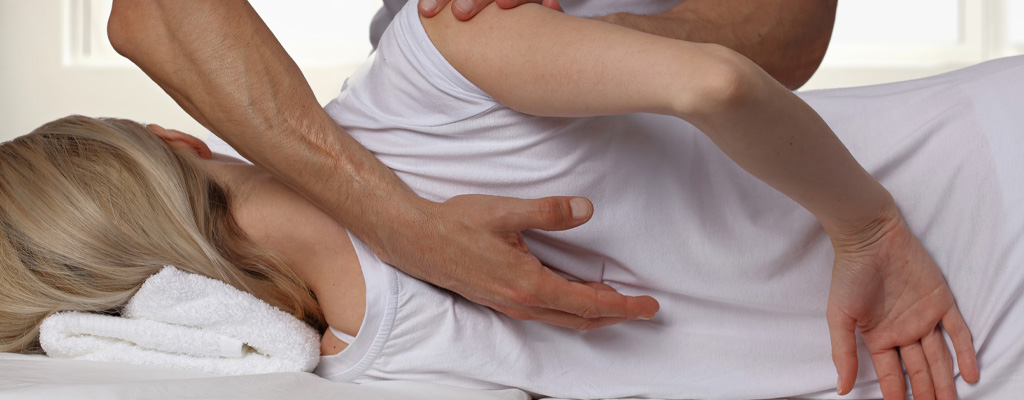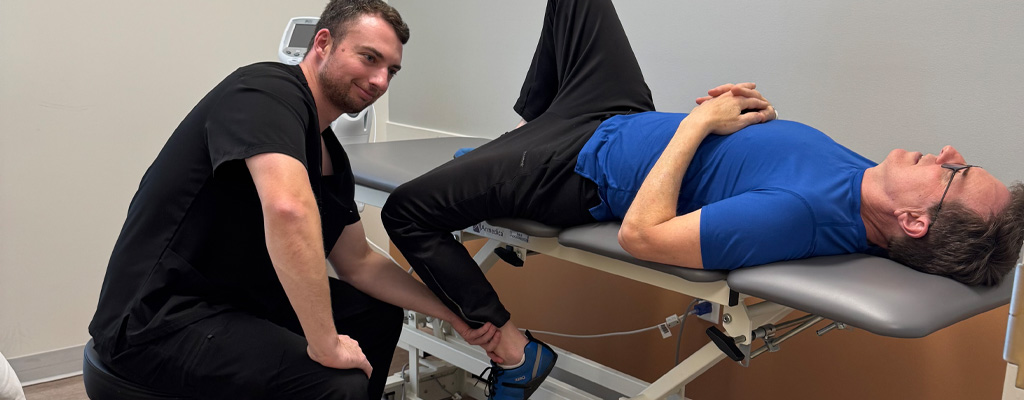
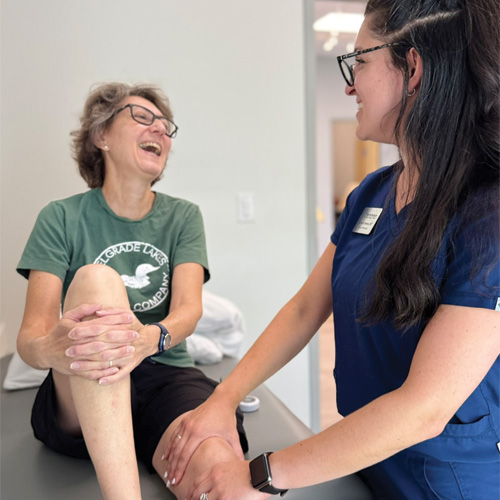
Did you know that for a lot of people, their knee pain is not actually due to a problem with the knee, but one with the hip? At Performance Physical Therapy, we frequently observe that a problem originating in the hip can be first felt as knee pain and vice versa.
You might wonder how this is possible. The answer lies in what’s known as the kinetic chain, where the hip and knee joints work together. The interconnection means that an imbalance or dysfunction in one joint can lead to compensation and pain in the other. The good news is our therapists can help you figure out the source of your pain and, more importantly, guide you back to health.
To move towards a healthier, active life, we recommend you consult with one of our physical therapists as soon as possible!
Your Guide to Recognizing the Signs and Symptoms of Hip and Knee Pain
At Performance Physical Therapy, we believe in a holistic approach to healing. As musculoskeletal experts, we are trained to pinpoint the root cause of your condition, differentiate between hip and knee pain, and develop a plan that addresses the whole person, not just the symptom.
The Telltale Signs of Hip Pain
Classic Indicators of Knee Pain
While interconnected, the hip and knee are distinct structures with unique roles in our body’s movement and different responsibilities. Understanding these differences is vital in diagnosing and treating pain effectively. This is where the expertise of our physical therapists can help!
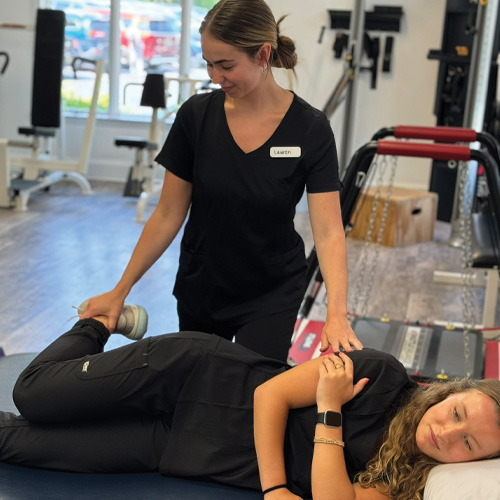
Navigating the Path to Recovery with Performance Physical Therapy
At Performance Physical Therapy, our physical therapists will conduct a comprehensive evaluation and distinguish whether you’re dealing with an issue in your hip, knee, or both.
After completing the evaluation, we’ll design a program focusing on the actionable steps you can take to ensure long-term relief and prevention of future injuries, including the following:
- Tailored Therapeutic Exercises: Our therapists will provide you with stretching and strengthening exercises to help restore your mobility and function. For example, eccentric training focuses on elongating a muscle under tension, proving particularly effective in strengthening muscles and improving mobility.
- Neuromuscular Re-education: This involves using exercises and manual techniques to restore normal muscle function and movement patterns. These techniques are especially effective in reducing pain and enhancing function, especially in individuals with hip and knee pain.
Our therapists go beyond the surface, digging deep into your symptoms to identify the underlying issues and determine the true origin of your pain, whether the hip, the knee, or both. Our goal is to build a program that helps you get back to living your best life!
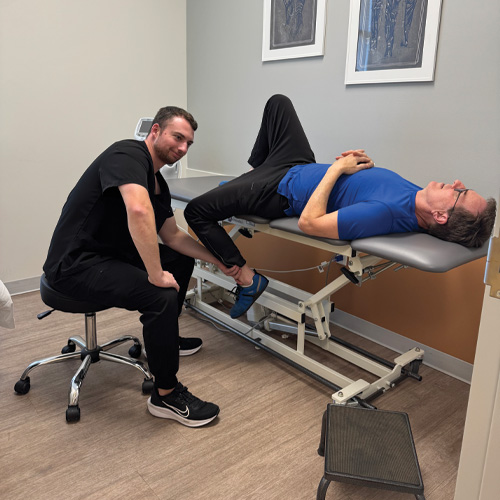
Follow These Simple Steps to a Pain-Free Life
Are you ready to embrace a lifestyle that promises better mobility and less pain? At Performance Physical Therapy, we are here to guide you every step of the way, fostering a future where you feel better, move better, and live better!
Call today to schedule an appointment!
Your Success Is Our Priority!
Return to Performance Physical Therapy and Let’s Continue Your Journey to Wellness Together. Schedule Your Appointment Now!
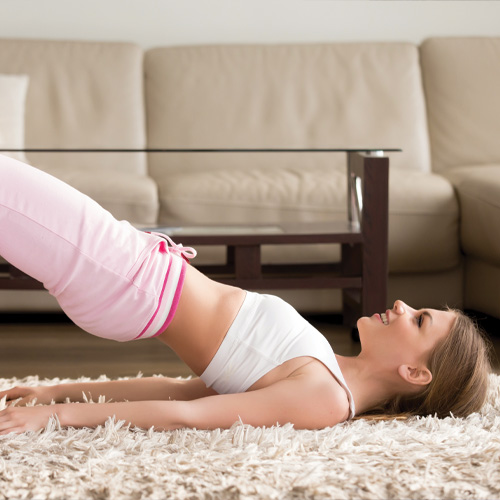
How Hip-Strengthening Exercises Can Help Alleviate Knee Pain
You may be surprised to know that the functioning of our knees is directly linked to the strength and stability of our hip muscles. Our hip muscles play a vital role in maintaining the alignment and stability of the knee joint.
Hip-strengthening exercises enhance the knee’s support system, helping evenly distribute the forces that travel through it during daily activities. A strong hip musculature can help prevent the knee from adopting faulty movements and positions, often leading to pain.
Hip exercises can also help improve posture and alignment, which is vital in preventing knee strain and subsequent pain. At Performance Physical Therapy, we’ll guide you in adopting these exercises into your daily routine, a step towards a life marked by greater mobility and less pain.
Seeking Guidance at Performance Physical Therapy
At Performance Physical Therapy, we’ll guide you through the exercises that ensure you reap the maximum benefits while maintaining safety and efficiency. Our approach is always holistic, emphasizing the role of the hips as crucial players in alleviating knee pain and facilitating overall health and well-being.
Here are some highly effective hip-strengthening exercises that have been shown to lessen knee pain:
- Hip Bridges: The bridge focuses on enhancing the strength of the hip extensors (buttock muscles) to help provide better support to the knee structure.
- Clamshells: This exercise is effective in strengthening the hip abductor muscles. By lying on your side and opening and closing your legs like a clamshell, you work on the muscles that are essential in maintaining knee alignment.
- Side-Lying Hip Abductions: This exercise is a powerhouse in bolstering the hip muscles, primarily targeting the gluteus medius. This vital muscle aids in stabilizing the hips and knees. Engaging in this exercise can be a game-changer in alleviating knee pain.
- Quadruped Hip Extensions: Another fantastic exercise that strengthens the hip muscles and promotes a stable core, creating a well-balanced support system for your knees.
These hip-strengthening exercises can provide stability and support to the knee, potentially reducing the strain and consequent pain.
Taking the Next Step
Remember, the journey to wellness is an ongoing process, and we are here to walk with you every step of the way. Ready to take a step towards a brighter, pain-free future? Call Performance Physical Therapy today to get started!
Follow Us on Social Media!


Fresh, flavorful, and light, this Mediterranean Chicken Salad is the perfect springtime meal that makes healthy eating feel effortless. Packed with bright ingredients and satisfying protein, it’s ideal for enjoying warmer days and staying energized.
Enjoy This Seasonal Healthy Recipe!
Mediterranean Chicken Salad
- 1 cup lemon juice
- 2 tbsp snipped fresh mint
- 2 tbsp snipped fresh basil
- 2 tbsp olive oil
- 1 tbsp honey
- ¼ tsp black pepper
- 5 cups shredded romaine lettuce
- 2 cups cut-up cooked chicken breast
- 2 plum tomatoes, cut into wedges
- 1 (15 oz) can garbanzo beans
- 2 tbsp pitted Kalamata olives
- 2 tbsp crumbled reduced-fat feta cheese
- 6 Whole kalamata olives
In a screw-top jar, combine lemon juice, mint, basil, olive oil, honey, and black pepper to make dressing. Cover and shake well. Place lettuce on a large platter. Top with chicken, tomatoes, garbanzo beans, the quartered olives (if using), and feta cheese. Drizzle with dressing. If desired, garnish individual servings with whole olives.
Improve Your Hip Mobility with These Simple Exercises
What Makes Performance Physical Therapy Unique?
From your first appointment, you will see that our practice is built around a more personal standard of care. Every visit takes place in a private treatment room, allowing your provider to focus fully on you without distractions. With the most 5-star Google reviews of any practice in Delaware, our reputation reflects the trust and results our patients experience every day. Locally owned and not part of a franchise, Performance PT is deeply connected to the community we serve and committed to care that feels both individualized and genuine.
Patient Success
“I am going to PPT for recovery help after surgery and hospitalization to repair a broken hip. My therapist is Gabriella Fusco, and she is really terrific. In a very short time, I have gained balance and can almost walk again. She is guiding me with understanding and help in a very patient way. She and her team couldn’t be better.”
-Rosemarie N.

Exercise of the Month
CLAMSHELLS (EXERCISE BAND)
Lie on your side with your knees bent and feet together. Position an exercise band above your knees. The side you want to exercise should be on top. While keeping your feet together, lift your top knee away from your bottom knee. Slowly return to the starting position. (Materials needed: exercise band)
3 Sets, 10 Reps.

Get Outdoors and Have Some Fun
With the warmer weather and longer days, getting outdoors is perfect for enjoying recreational activities. Here are some great ways to integrate outdoor activities into your weekly regimen:
- Pickleball for Agility: This fun and social sport improves balance and coordination. It’s low-impact, making it suitable for all ages and fitness levels.
- Golf for Mobility: Golfing is a great way to enhance mobility, especially in the hips and torso. It’s also a good walk, offering cardiovascular benefits.
- Walking for Endurance: Regular walks can significantly boost cardiovascular health and lower body strength, whether in a park or around your neighborhood.
Always listen to your body and consult your Performance Physical Therapy team to tailor these activities to your needs!
April is your opportunity to get outside, enjoy the sunshine, and take a step towards better health!
April Word Scramble
olofs
rwhesso
sutpli
aiprodsnr
tlaeacprilr
angrde
Answer Key
fools
showers
tulips
raindrops
caterpillar
garden